.png)

The Magic Behind Unforgettable Mascots
You can picture them perfectly, but… what was their name again? It’s easy to forget someone’s name in the sea of information that floods our minds constantly. A face, though? The way someone smiles is often more memorable than a simple name. Simply put, a mascot improves brand recall just by having a face!
In fact, people can be famous without the world even knowing their name. Take Sharbat Gula for example. What’s that? You don’t know who that is? Well, you may also know her as the Afghan girl from National Geographic’s June 1985 cover. Since the image is copyrighted, we can’t share it here. Click here to see the iconic cover image.
In 1985, National Geographic featured Sharbat as a 12-year-old girl during her time in a refugee camp. Her strong gaze captured people’s attention and hearts instantly. Her photo was spread worldwide overnight. Despite this, her identity was unknown until 2002. This is an example of how a face can be much more impactful than a simple name. It conveys emotion, personality, and a story.
Let’s take a look at some mascots that ended up being pop culture superstars. All of these started out as something to represent a brand. Over time, they became beloved icons.
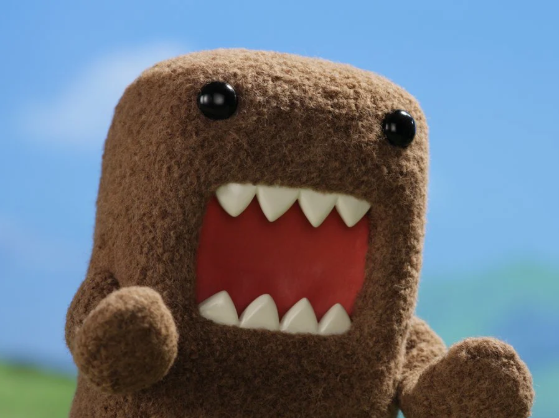
Domo was created in 1998 as the mascot for Japan’s public broadcaster NHK. Domo first appeared in short stop-motion videos for NHK’s 10th anniversary. Over time, people all over the world fell in love with his funny and simple design. Domo became an internet sensation and a beloved icon without even having his own TV show.
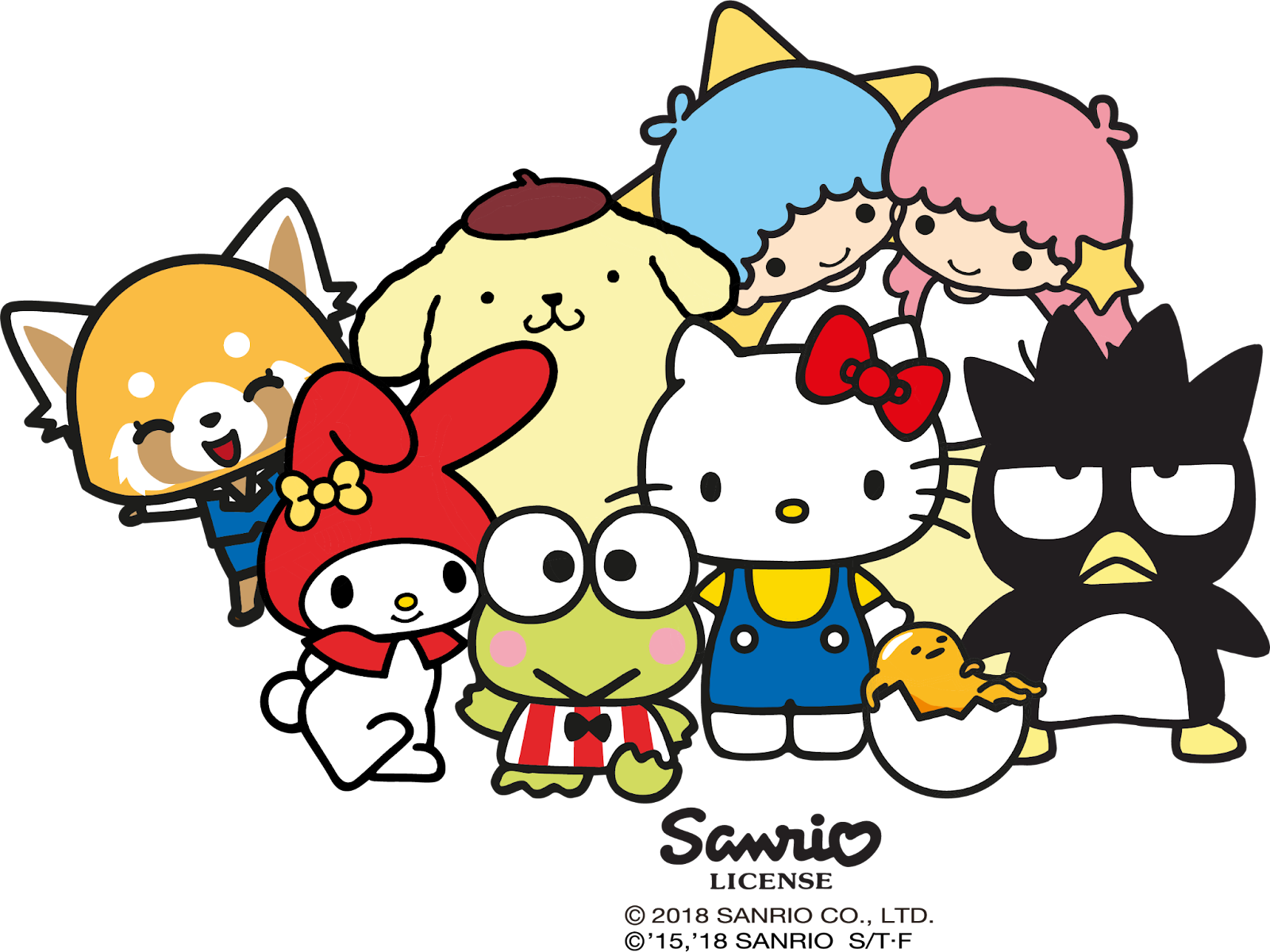
Hello Kitty is another mascot that became famous worldwide. She started as a simple character for the Sanrio company but quickly turned into an icon known for her cute and friendly look. Today, Hello Kitty is everywhere, from toys to clothes to accessories.
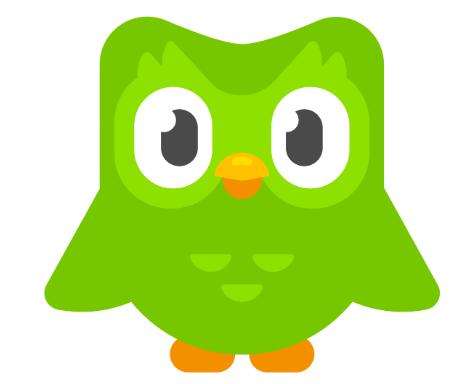
More recently, Duo, the Duolingo owl, has become a pop culture figure, famous for appearing in memes and even selling plush toys. These mascots show how a character can grow from representing a brand into something that people really love.
Each of these mascots shares simple, clear personalities and designs that help them connect with a wide audience. This is the mascot’s role in branding: to connect with people. These examples show the power of mascots to become much more than just brand symbols. They also become cultural icons, fond memories, and carry meaning.
Bridging the Gap Between Brand and Audience
The role of a mascot in branding is to connect your brand directly to your audience. A mascot is literally a personification of your brand. This is the part of your brand that smiles, moves, and speaks. When people see a mascot, they see a bit of themselves in it. That’s what makes a brand feel special and alive. This connection matters most in industries that feel distant. Think tech, health care, or finance. If it’s a field that people think “What do they even do there?”, then you need a mascot that’ll tell the whole world what you’re all about. A friendly character helps people understand and trust what you do. Just like seeing a familiar face in a crowd, the more often people see your mascot, the more they feel at ease. Before long, that same comfort turns into loyalty and trust for your brand.
When a mascot becomes a household name, then it becomes part of someone’s life. It makes them feel like they’re part of the brand’s story. After all, what is a brand without its consumers? It’s so important for customers to take part in the brand’s story instead of just watching from the outside. To keep that bond strong, mascots may need to evolve with the ever-changing times. The Hawaiian Punch mascot is a great example. In the early days, he was loud and rowdy, meant to make people laugh. In commercials circa the 70s, he would give someone a punch from a Hawaiian versus a Hawaiian punch. This playful joke hit hard with audiences at the time, helping the drink soar in popularity.
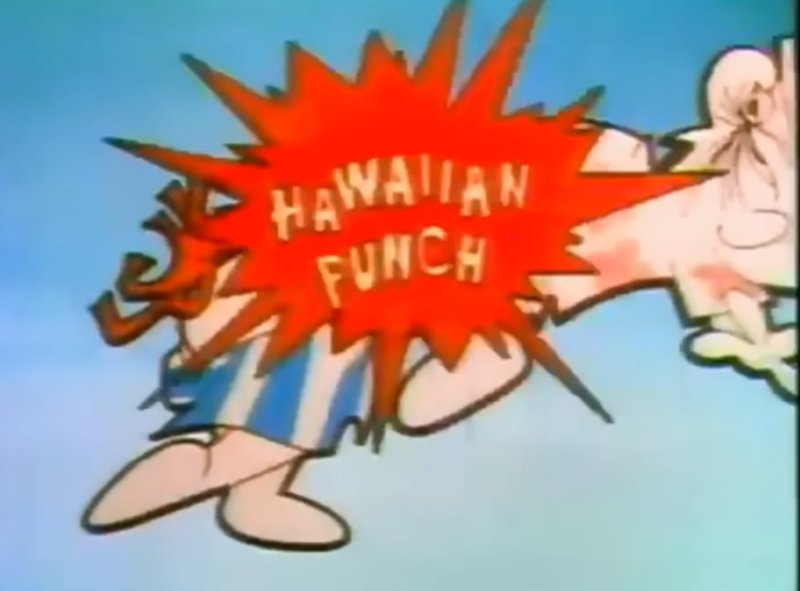
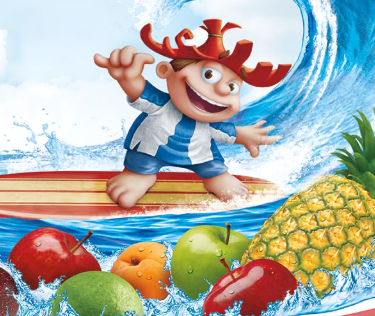
Later, the climate around violence in cartoons shifted. The humor around violence no longer packed the same punch. To fit in with new standards in advertising to children, the brand softened him up. Now he’s calm, cheerful, and more family‑friendly. Any reference to ‘punches’ in modern ads are along the lines of “hitting you in all the right places” versus an actual physical hit. Changing his personality helped the mascot stay around to be cherished by new generations. It’s also noteworthy that his actual design remained the same. Tweaking your mascot doesn’t always mean you’re changing the design. It can also mean changing the way you use them!
Why Companies Need Mascots Now
By now, you know that mascots aren’t just fun and games. They’re the future of branding. When your mascot is protected as IP, you can license it for toys, shirts, stickers, and more. Essentially, you can turn one design into many different income streams. That is one of the biggest benefits of using a mascot in marketing.
A licensed mascot can star in your ads, show up on merch, and appear across social media while still staying “on brand.” Each plush, T‑shirt, or keychain keeps your character in fans’ hands and minds, even when they are not seeing your regular content. This helps deepen loyalty and makes your brand feel more like a world people can step into. Not just a product.
MascotBranding can help turn your idea into a licensed mascot and then work with manufacturers to make real merch from it. That means you get support all the way from design, to legal protection, to physical products you can sell or give away. Ads are great for sending a clear message, but mascots simply do more. They invite people to play, react, and share. When you use a mascot, you get the best of both worlds: your brand story gets told, and your audience gets a brand-new character to love and interact with.
Beyond Static Symbols: Why Mascots Outperform Everything Else
Logos and slogans are fine, but they sit still on a page. Mascots do so much more. They make people smile. A static symbol just sits there, telling people what you sell. A mascot pulls them in and makes them care. Brands need that extra spark to stand out in the consumer landscape. Mascots turn watchers into fans who share and remember. Plain ads fade fast. Mascots stick around and build real bonds that last.
Why a Character Can Do What a Logo Can’t
Let’s face it: humans are visual creatures. Even down to the packaging of toilet paper, how something looks matters. Evolution has caused us to be constantly examining and exploring with our eyes. Now, instead of a jungle, we’re scanning across screens and stores. Because of this, logos are super important to a brand. They instantly identify you and set you apart from other brands. I’ll let you in on a secret: it’s not enough.
Logos really are great. If you want to be especially memorable, though, you’re going to need something more. A mascot is basically a living logo. An advantage of brand characters is that they’re a way for you to set yourself apart from other brands even more. In fact, that’s the entire reason why mascots came about in the early 20th century! Not every brand takes the time to create a mascot, but you’re not every other brand. That message will instantly come across the second you bring a mascot into the mix.
Along with helping you stand out, a mascot gives a whole new vibe to a brand. Let’s take Duolingo for example. This app encourages users to log on daily and practice learning a new language. Pretty dull, huh? So, they introduced Duo, an owl mascot. Firstly, owls represent learning and wisdom. Secondly, his cheerful yet determined attitude encourages users to keep up with their goals. In fact, notifications from the app featuring him became so prevalent that he became a meme!
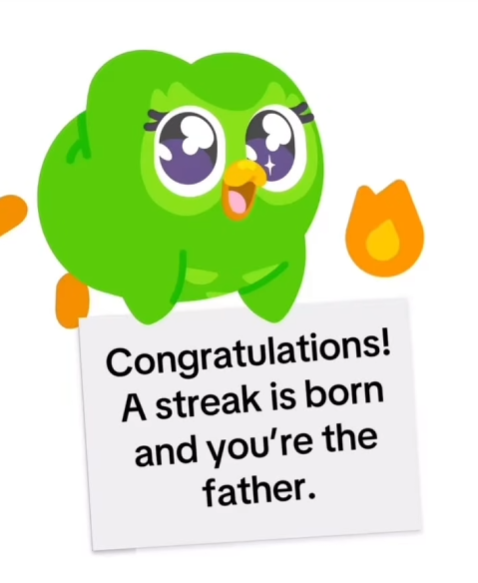
What could have been just another basic educational app totally changed. It’s no longer about strictly learning. Now, it’s about keeping your daily streak going. It’s about not letting go of your goals. And, above all, not making Duo cry.
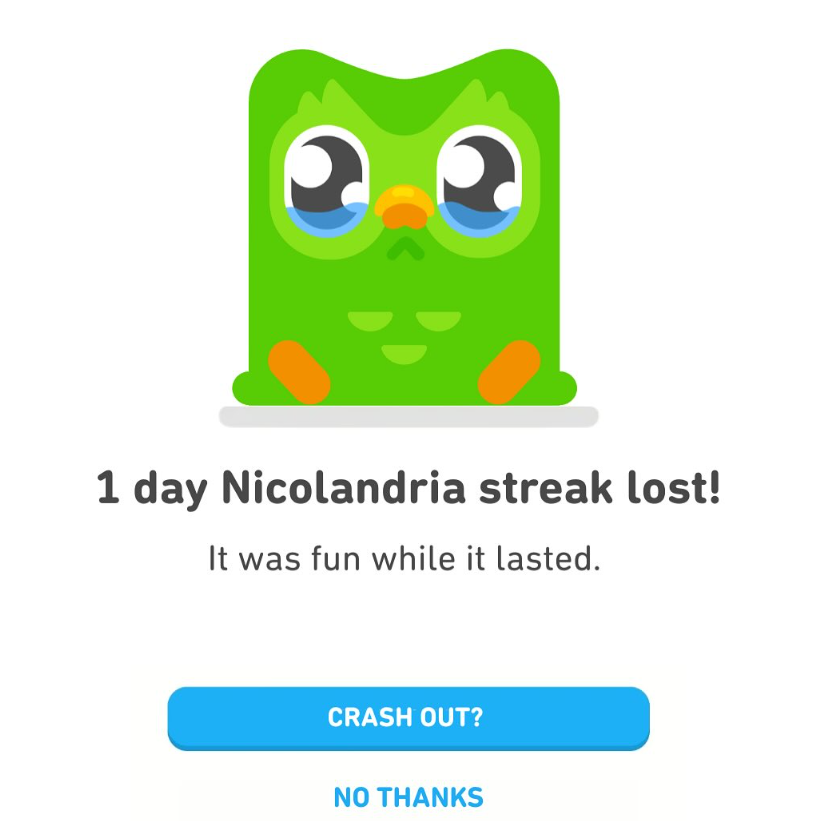
So, just with a mascot, the entire energy around the app has shifted. It goes from a textbook to a game. This is just one example of how a mascot can totally shift your brand’s vibe!
Celebs Can’t Compete
- Make visual here to compare benefits of celebs vs mascots in marketing
Sure, mascots can shake things up. But what about something more familiar? It might be tempting to loop in a celebrity to promote your brand. However, it’s not always the most effective move. A mascot simply brings warmth and energy that a celebrity can’t always match. Studies show ads with characters score higher, with a 3.8-star rating versus 2.7 stars for celebrity ads in Super Bowl spots. Characters boost brand recall to 88%, helping people really remember the brand. Plus, campaigns with mascots are 73% more likely to see profit growth. So, owning your own character gives your brand a special spark that connects deeply with people.
Plus, relying on a celebrity means you might only have them for a short time. Firstly, they’re just plain expensive. Secondly, their fame can fade or they may move on to other projects, leaving your brand behind. But a mascot belongs to your brand forever. It stays consistent and is always ready to represent your values. All without any risk of saying the wrong thing or causing a scandal.
Types of Mascots and How to Use Them
.png)
Different tools work better for different jobs. Just as a hammer is best used for driving nails, a hype man mascot is best used for tangible goods with low risk, for example. So, it’s worth getting to know the different types of mascots before employing the use of one. There’s two key aspects about your brand you need to consider: risk and tangibility.
Firstly, does your brand offer high or low risk services? Think about being a consumer. When deciding which brand of your field to take part in, how much anxiety would be stirred up? Is it a big decision, or something someone can give a try without worry? For example, choosing the right insurance is sort of a big deal. It’s the difference between peace of mind and false protection. Maybe even life or death. So, this type of brand is high stakes. On the other hand, picking what snack to buy is pretty low risk. The worst that can happen is that the consumer won’t like it. Big deal!
Guardian or softener mascots are perfect for high stakes businesses. They bring a sense of ease and trust to the audience. Guardian mascots symbolize strong, almost heroic characters. They convey a sense of “I have this under control”, that gives comfort to audiences. Big messes can be intimidating, but here comes Mr. Clean to save the day with his great products! Now, consider Chester Cheetah cleaning your house. Yeah…no. However, not every situation can be handled with strength. Others need the softeners. These mascots are here to say “Yeah, X is pretty cold and scary, but it’s all going to be okay, because I’m here!” Take Tunnel Bear, for example. Browsing the internet can be quite dangerous for personal privacy. However, Tunnel Bear is here to dig secure “tunnels” for your internet traffic. That way, your privacy is protected. Plus, you can bypass geo-restrictions. So, what can be seen as boring and sterile is transformed into something fresh and fun!
The next thing to consider is whether your product is something tangible or not. Can you hold your product in your hand? Can it be consumed? Or, is it a concept? Tangible items are things that physically exist. They can be eaten, shared, or used. Guardian or hype man mascots are perfect for these kinds of products. Hype man mascots are all about chaos and fun. They’re unapologetic, funny, and ready to party. In fact, they have the exact vibe you’d see if you were at a party offering all the snacks they represent. That’s why they work so well for consumable products. They invite customers to let loose and eat some yummy snacks!
Intangible items, however, don’t exist. At least, not physically. Instead, these are things like a vibe or online space. They can be experienced, but not held. For brands offering intangible services, softener or tribe member mascots work well. Tribe member mascots are meant to be a symbol of belonging to a group. Often, they’re used as a “if you know, you know” symbol, meant to only have meaning to other members of the same group. You’ll often find these kinds of mascots representing online communities, like Reddit’s snoo, which can even be customized by users.
You’ll also notice the demographic section at the bottom of the infographic. It’s no secret that different generations prefer different styles. But it’s deeper than that. People of different ages grew up seeing wildly different advertisement styles. They’re familiar with things from their era. So, when creating a mascot for a specific age range, keep these styles in mind. Of course, these guidelines aren’t universal. Boomers may enjoy minion memes. Gen Z may gravitate towards 90’s cartoon styles. It’s not about maintaining strict expectations of what will resonate with people. It’s knowing which visual language makes your audience feel seen, not talked down to.
Using a Mascot to Boost Engagement
Social media loves characters, and mascots are ready-made characters. They bring a clear face, voice, and mood to your posts. This will help people recognize you right away while they scroll. A mascot can react to trends, holidays, and viral moments in a way that feels natural and funny. That is one reason why people latch onto mascots and turn them into memes. Memes are the internet’s love letter to your mascot.
Memeification is powerful because it hands part of the story to your fans. When people remix your mascot into jokes, edits, and fan art, they are doing free creative work for your brand. The result is more comments, more shares, and a sense that your brand is part of the online party instead of just a guest. (The last thing you want is to feel like you’re late to the party! Or even worse…not invited.)
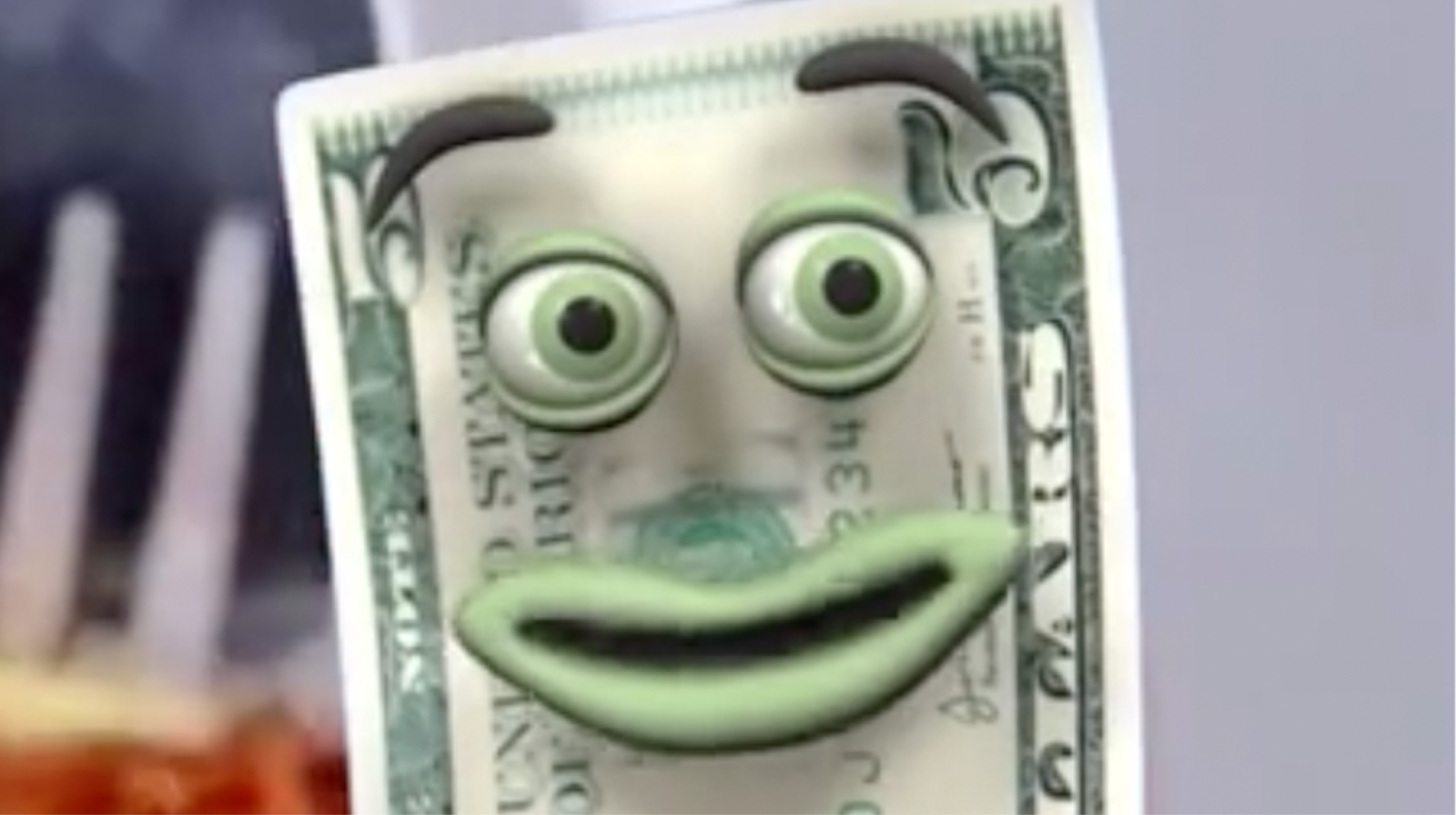
An example of a memeifed mascot is Fiveish. Originally, in 2007, he represented Oorah. It’s a nonprofit dedicated to empowering Jewish children and families by providing educational, emotional, and spiritual resources. His catchphrase was “Gimme 5” to encourage small donations. Almost 20 years later, in 2024, he became a meme.
With the power of AI, he could say anything. But, what he mostly “yapped” about was explaining random videos from the internet. H often signed off with “Xiaohongshu!” (This is another meme from this era of the internet. It’s a reference to Xiaohongshu, the Chinese equivalent to Tiktok.
Fiveish exploded in popularity. Suddenly, everyone recognized him. Not everyone knew about the brand he represented, but they certainly received more attention due to the viral memes. In 2023, Oorah’s net income was -$2.7 million. In 2024, though, they netted $8.6 million. Surely, this all can’t be explained by their mascot’s meme status, but it very clearly didn’t hurt them!
Key Takeaways: Mascots Breathe Life Into Brands
The Right Mascot Fits the Audience…And You!
The right mascot fits both the crowd you want to reach and the company you want to represent. It should match your audience’s age, media habits, and sense of humor, so it feels like a natural part of their daily scroll. When that match is off, your mascot may not drive the right behavior.
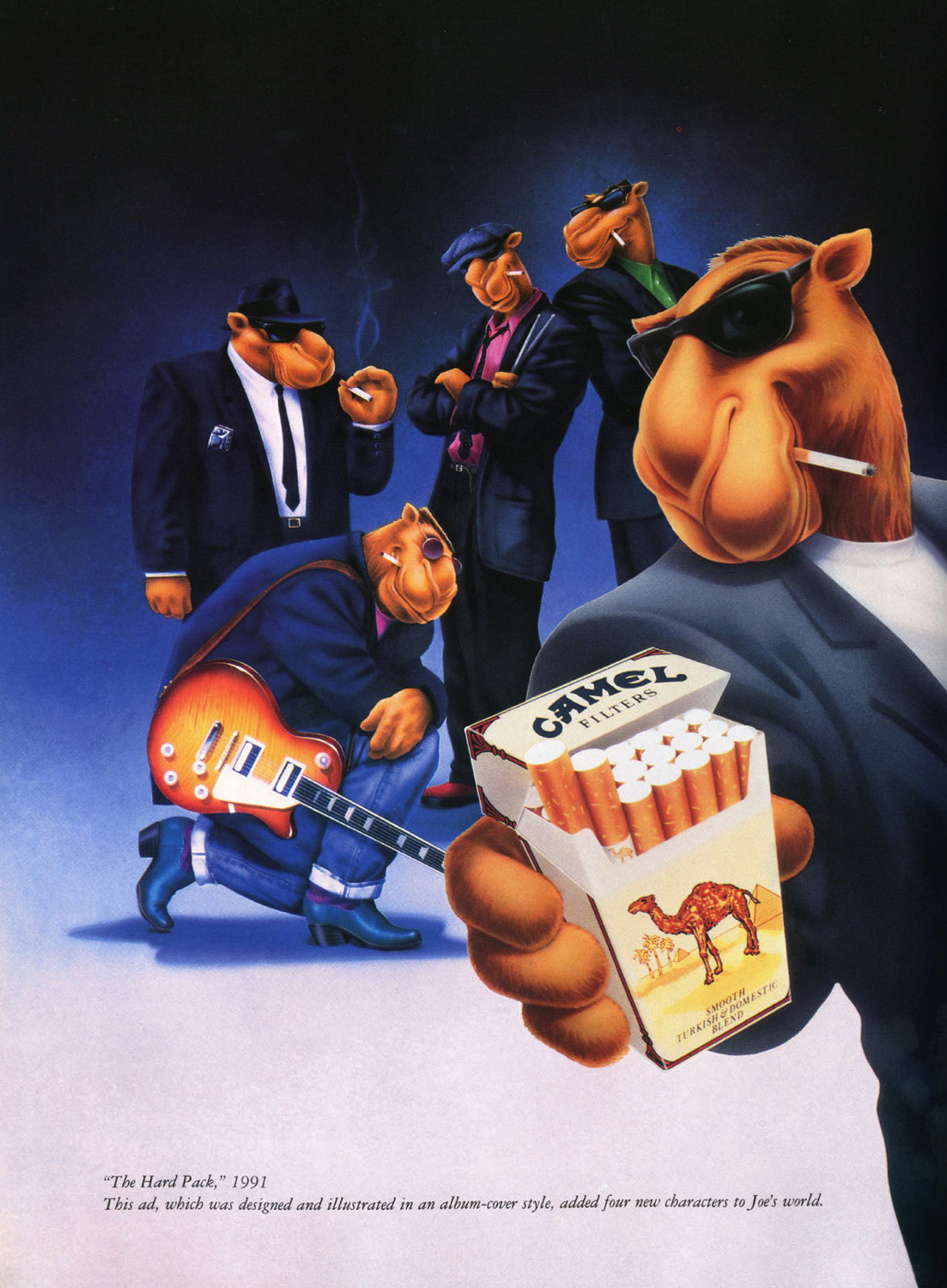
Joe Camel is a strong case study. Camel built him as a cool, laid‑back cartoon to refresh their cigarette ads. He worked almost too well. Adults liked him, but so did kids. In fact, a 1991 study concluded that “ Old Joe Camel cartoon advertisements are far more successful at marketing Camel cigarettes to children than to adults.” The mascot did it’s job perfectly. He gave the illusion that smoking cigarettes is part of a cool guy’s arsenal. He became a symbol of suaveness, so powerful that he’s beloved and dearly missed to this day. The mascot was awesome, but not aligned with who should have been noticing him.
Mascots should speak to two audiences at once: the public and your team. Externally, they share your audience’s values, like playfulness, safety, or adventure. Internally, they represent your brand’s mission and tone. So, every appearance feels true to your story.
Before you commit, treat your mascot like a big product launch. Use surveys or user interviews to see which concepts people enjoy. As the creator, you’re going to have blindspots. What looks passable to you may be hiding something that only a second set of eyes can detect. So, it’s important to get feedback regularly while you’re designing your mascot. When getting a mascot designed with MascotBranding, CharacterIQ is tapped into. Essentially, it acts like an on-demand digital focus group. That extra step keeps your mascot in the “great fit” zone instead of the “famous for the wrong reasons” zone. Or, if you just want some insight into what’s working with audiences right now, try out a CharacterIQ Industry Report! This way, you can get some great direction on what works best while creating your own mascot from scratch.
Next Steps
Mascot Branding is the “action step” for everything you have learned here. You bring your goals, your audience, and your brand vibe. Then, we turn that into a character that can actually move the needle. First, you fill out a brain dump where you pour out everything about your brand, from tone of voice to dream customers. Then, we run CharacterIQ on it, using live data to spot the mascot archetypes and styles your audience already loves. From there, artists create and test concepts, and you pick a winner. You get a finished mascot design in whatever art style fits you. Whether that is soft and cozy, sharp and cool, or anything in between! We have access to a wide variety of artists that have mastered any style you can think of! Plus, you’ll get a toolkit so you can plug it straight into your ads and content.
If your logo is doing all the work alone, it is time to give it a teammate. Click over to mascotbranding.com and begin your brain dump today!
%20(1).png)
Scarlett Bittle
With a pencil as her magic wand, Scarlett Bittle aims to spread the magic of creation to the world. She’s a multimedia artist, with experience experimenting with a spectacular spectrum of mediums. If you’re drawn to see more of her work, check it out on her instagram.
Find Out More
%20(1).png)